What is psoriasis?
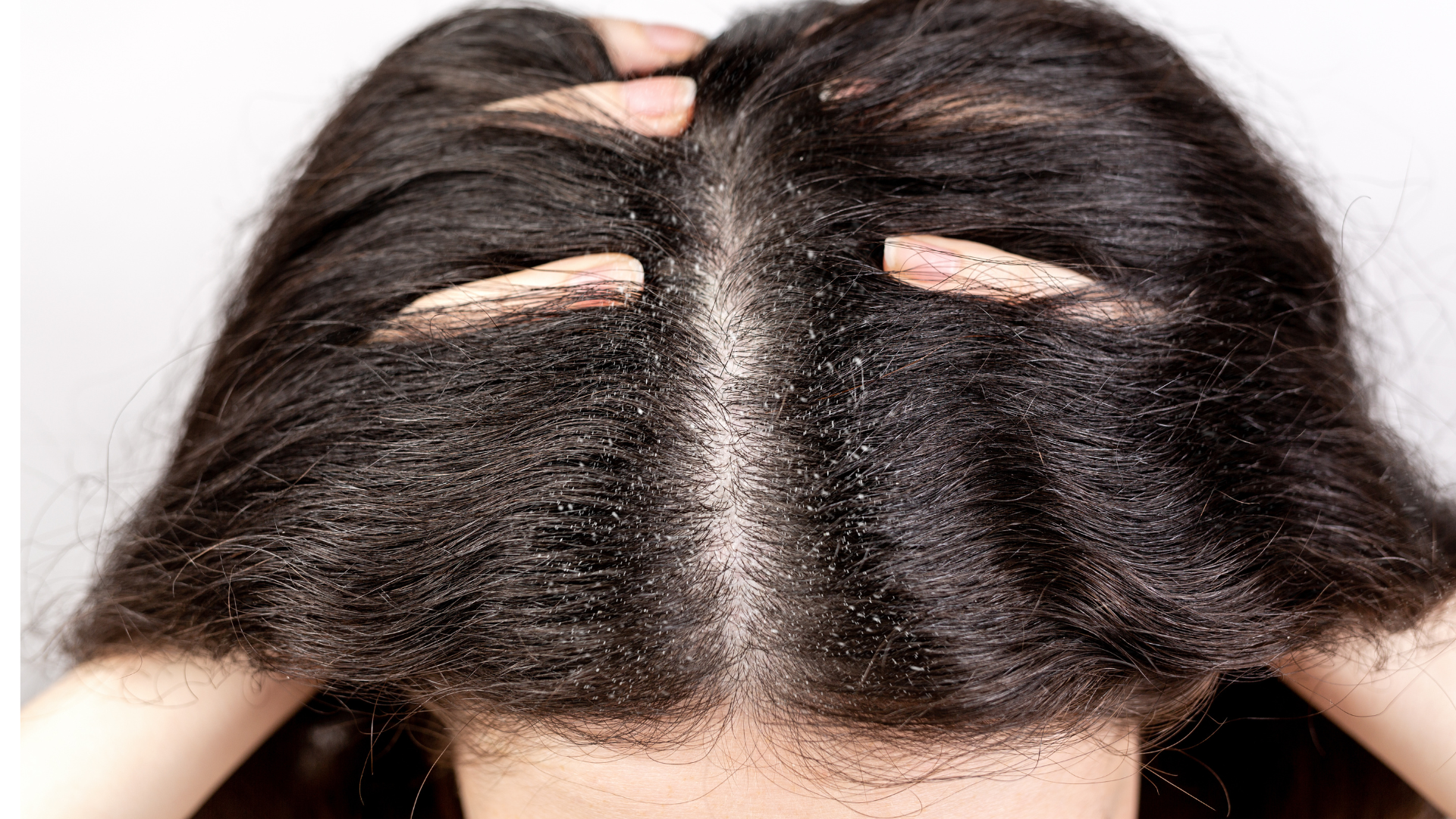
Psoriasis is an inflammatory skin disease. It is generally characterized by the appearance of thick patches of skin that flake off (shedding in the form of white "scales"). The patches appear on different parts of the body, most often on the elbows, knees, and scalp. They leave behind areas of red skin. This chronic disease evolves in cycles, with periods of remission. It is not contagious and can be well managed with treatments.
What are the symptoms?
The symptoms of psoriasis are the appearance of thick red patches of varying size, covered with white dead skin, or scales. These lesions are most often located on the hands, elbows, knees, lower back, or on the face and scalp. Psoriasis evolves in flares, interspersed with periods of calm during which the lesions disappear partially or completely. Avoid hot water, which increases vasodilation, worsens inflammation, and triggers itching.
Who is affected?
About 2 to 4% of the Western population is thought to be affected. The disease usually appears in adulthood, toward the end of the twenties or the beginning of the thirties. However, it can affect children, sometimes even before the age of 2. Psoriasis affects men and women equally.
What are the causes?
What are the solutions?
Unfortunately, there is currently no permanent cure. However, the condition can be improved through small daily habits.
- A balanced diet: avoid foods containing gluten or sugar, fatty or processed foods, alcohol, and tobacco, and favor healthy products.
- Reduce stress situations: engage in relaxing activities such as meditation, yoga, or other sports that help you relax to drive away stress.
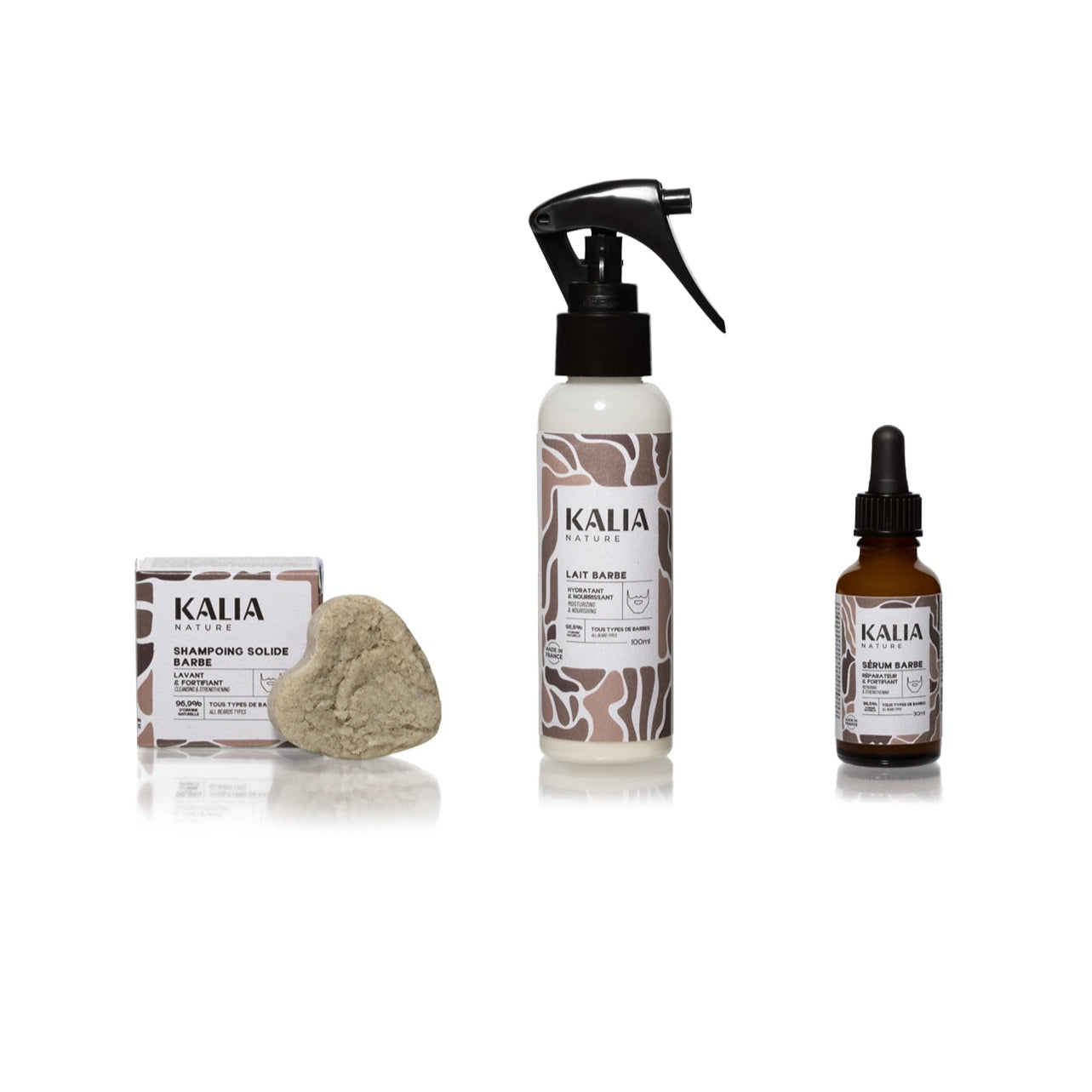
- Use the right products: at Kalia Nature, we offer the Bay Saint-Thomas Shampoo, which is a clarifying treatment that gently cleanses the hair and soothes scalp itching.
Remember to moisturize your hair to maintain hydration in the scalp and relieve dryness by using the Hibiscus Hair Milk