Essential oils are the queens of natural cosmetics and the healthy trend. We love them on our faces, on our bodies, and (obviously) on our hair. To get the best out of them without any nasty surprises, use them according to the rules of the art: with caution and consideration. The Kalia Nature team explains it all!
What exactly is an essential oil?
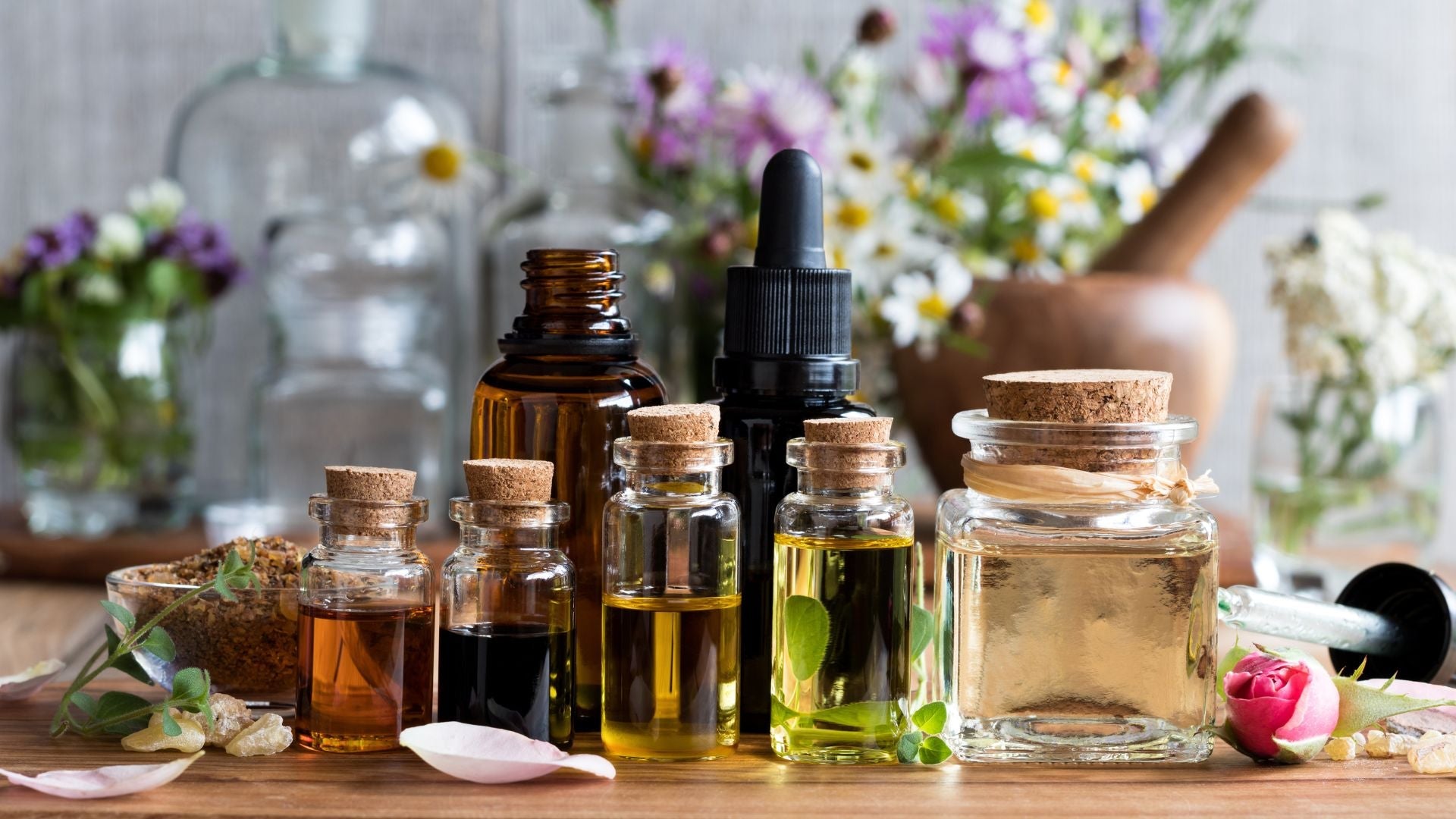
Did you know that essential oils… are not really oils? Unlike vegetable oils, these are not fatty substances, but rather volatile substances. They are extracted from flowers, leaves, fruits, seeds, roots, or even bark through distillation.
It takes a huge amount of raw material to create a few drops of essential oil. That is why they are so precious. For example, the production of 1 L of neroli essential oil requires… 1 ton of flowers (wow!)
Why are essential oils so effective?
Essential oils have been widely used since Antiquity. Today, they are used cutaneously, orally, and by inhalation. If they have been acclaimed for millennia, it is because they have the unique ability to concentrate the noblest part of aromatic plants.
Their chemical formula is, moreover, very complex. An essential oil can be composed of more than 200 different molecules! It is all these components which, taken individually or in synergy, give it super-powerful cosmetic and therapeutic properties.
What do essential oils do?
This richness in active molecules is an essential oil's calling card. Depending on its content, it can have a very specific action: soothing, rebalancing, anti-wrinkle, detoxifying, etc. Some have such a complete composition that they are even versatile!
Good to know: when applied to the skin, all essential oils have the ability to stimulate the renewal of your skin cells. Pretty cool, right?
But it doesn't stop there! Essential oils have a kind of superpower. When applied externally, they are able to migrate directly to the weakened area that needs them most. A bit like two magnets attracting each other! This is called electivity.
Essential oils: are they dangerous?
Beware of overgeneralizations! Just because essential oils are natural does not mean they are safe. They are, in reality, so concentrated in active ingredients that they can present a risk of toxicity in high doses. In short, they are your friends… provided you avoid excess.
Indeed, they are among the rare natural substances to be absorbed at lightning speed and to penetrate the layers of the skin deeply. They even manage to pass into the blood. In normal times, this "privilege" is reserved for medicines… not cosmetics. So yes, this is what makes them so effective. But it is also the reason why you have every interest in not handling them lightly!
In what cases are essential oils not recommended?
- Are you pregnant or breastfeeding your baby? Then forget about essential oils, both for external and internal use.
- Do not use essential oils on your children if they are under 3 years old. Some remain strictly contraindicated for little ones under 6 years old (eucalyptus globulus, sage, peppermint, etc.). Check with a professional before attempting anything!
- If you suffer from a neurological disease (epilepsy or other), you must absolutely ask your doctor for advice before integrating essential oils into your routine.
What are the usage precautions to know?
- Never apply a pure essential oil to your skin. You risk ending up with irritation. You must always dilute it in a vegetable oil (jojoba, avocado, argan, etc.).
- Some essential oils are photosensitizing, meaning they make your skin vulnerable to the sun. This is often the case for citrus essential oils (lemon, grapefruit, bergamot). Avoid exposing yourself to the sun for 12 hours after their application.
- The majority of essential oils contain allergens (linalool, citral, geraniol, etc.). The trick to spotting them: they are listed at the very end of your cosmetics' INCI declaration.
Always perform a tolerance test before using a new product containing an essential oil. Apply a small amount to the inside of your elbow. If your skin hasn't reacted after 24 hours, you have the green light!
Kalia Nature's recommendations
Do It Yourself (DIY) is on the rise. It must be said that it is very nice to make your own cosmetics, cleaning products, and everything else. We support the initiative, which helps with recycling and fighting against overconsumption.
However, we advise the utmost caution, especially for products intended to come into contact with your skin. The recipes you find on the Internet are not all written by cosmetologists (far from it…). When deciding to incorporate essential oils into a formula, there are very specific conditions to respect, particularly in terms of concentration.
At Kalia Nature, we scrupulously measure all the essential oils we add to your hair care products. Our goal: to ensure both their safety and their effectiveness for the beauty of your hair.
Our favorite essential oils for hair
We are aware of the incredible properties of essential oils. And it would be a real shame to deny yourself them! We have selected some of the best of them to take care of your hair.
- Grapefruit: strengthens hair and prevents hair loss.
- Bay Saint Thomas: encourages hair growth and helps eliminate dandruff.
- Cinnamon: stimulates blood circulation and strengthens the hair fiber.
- Lavender: regulates excess sebum and soothes skin irritation.
- Ravintsara: tones and relieves scalp discomfort.
- Ylang-Ylang: provides shine and invigorates limp hair.
Find essential oils in your Kalia Nature products!
Good news: these little bombs of benefits are already present in some of your Kalia Nature care products! You will generally find them in our products intended to be applied to your scalp. (Because yes, that is where you need to act to promote healthy growth.)
- Stinging Nettle Shampoo
- Bay Saint Thomas Shampoo
- Stinging Nettle Solid Shampoo
- Coconut Oil Hair Milk
- Gourmet Coconut Oil Balm
- Murumuru Serum
| Prefer to avoid essential oils? Head over to our Hibiscus range! |